
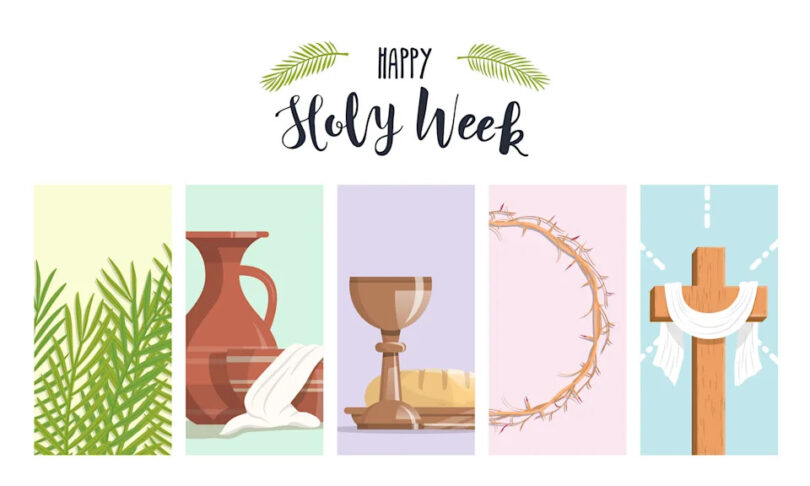
What Is Holy Week? A Complete Guide to the Days Leading Up to Easter
Holy Week is the most sacred period in the Christian liturgical year, commemorating the final days of Jesus Christ’s earthly life, including his suffering (Passion), death, and burial. It serves as the bridge between the 40-day season of Lent and the celebration of Easter Sunday.
SIMILAR: Nairobi County Choir – Ave Maria
This guide breaks down each day of Holy Week, its meaning, traditions, and spiritual significance, helping you understand why this week continues to trend globally every year.
Table of Contents
What Is Holy Week?
Holy Week is the week immediately before Easter Sunday. It begins with Palm Sunday and ends on Holy Saturday, followed by Easter.
It commemorates the final events in the life of Jesus Christ, including His entry into Jerusalem, His suffering, crucifixion, and ultimate resurrection.
The Days of Holy Week Explained
1. Palm Sunday – The Triumphal Entry
Palm Sunday marks Jesus’ arrival in Jerusalem, where crowds welcomed Him by waving palm branches.
- Symbolizes victory and peace
- Churches often distribute palm leaves
- Marks the official beginning of Holy Week
2. Holy Monday – Cleansing and Reflection
On this day, Jesus is believed to have cleansed the temple, removing corrupt practices.
- Represents spiritual cleansing
- Encourages believers to reflect on their lives
3. Holy Tuesday – Teachings and Parables
Holy Tuesday focuses on Jesus’ teachings in Jerusalem, including parables and debates with religious leaders.
- Highlights wisdom and truth
- Emphasizes faith and accountability
4. Holy Wednesday (Spy Wednesday)
This day commemorates Judas Iscariot’s betrayal of Jesus.
- Known as “Spy Wednesday”
- Reflects themes of betrayal and loyalty
5. Maundy Thursday – The Last Supper
Maundy Thursday remembers the Last Supper Jesus shared with His disciples.
- Introduction of Holy Communion
- Act of humility: washing of the disciples’ feet
- Symbolizes love and service
6. Good Friday – The Crucifixion
Good Friday is one of the most solemn days, marking Jesus’ crucifixion and death.
- Observed with fasting and prayer
- Churches hold quiet, reflective services
- Symbolizes sacrifice and redemption
7. Holy Saturday – The Waiting
Holy Saturday is a day of silence and reflection as Jesus lay in the tomb.
- Represents hope and anticipation
- Ends with Easter Vigil services in many churches
8. Easter Sunday – The Resurrection
Finally, Easter celebrates Jesus’ resurrection from the dead.
- Symbol of victory over death
- Celebrated with joy, feasting, and church services
- One of the most important days in Christianity
Why Holy Week Is Important
Holy Week is more than tradition it’s a spiritual journey that reflects:
- Faith and sacrifice
- Forgiveness and redemption
- Hope and renewal
For believers, it is a time to reconnect with their faith and understand the deeper meaning of Easter.
How Holy Week Is Celebrated Around the World
Different countries observe Holy Week in unique ways:
- Processions and reenactments (common in Latin countries)
- Church services and fasting
- Community prayers and gatherings
In many places, Holy Week has become a major cultural and religious event that attracts global attention.
Check different gospel song ;